

Visas, CPF, and Bureaucracy: The Arrival Guide for Foreigners in Brazil
Arriving in Brazil is a process, not an event. Types of visas, the correct sequence to obtain a CPF and RNM, opening a bank account, signing up for health insurance and phone service — and the central obstacle no one mentions: almost everything requires proof of residence. Learn how to organize your first 30 days and why ready corporate housing unlocks all the bureaucracy.
05/28/2026 10:36 Updated 82 days ago
Arriving in Brazil as a foreigner involves more than just taking a flight. Visa, CPF, bank account, housing, health insurance, phone line — each item requires specific documentation and waiting time. Without guidance, the first 30 days can become a bureaucratic maze.
This guide organizes everything you need to do in the first days — and why having a corporate ready-to-live-in housing is what makes everything else possible.
The most common types of visa
Work visa (VITEM V)
For professionals hired by a Brazilian company or transferred from an international headquarters. Usually linked to a specific CNPJ, valid for 1 to 2 years, renewable.
Investor visa
For entrepreneurs who invest a minimum amount defined by the Brazilian government in a local company.
Student visa (VITEM IV)
For exchange, undergraduate, graduate, or long-duration courses at an institution recognized in Brazil.
Family reunion visa
For spouses, children, and dependents of Brazilian citizens or foreigners already residing in Brazil.
Humanitarian visa
For nationals of countries in specific situations recognized by the Brazilian government.
Digital nomad visa
A recent category for professionals who work remotely for foreign companies.
Choosing the correct visa before boarding is essential — entering as a tourist and regularizing later is usually more difficult than entering with the right visa.
The first documents you need to get
CPF (Cadastro de Pessoa Física)
This is the most important document for any activity in Brazil — opening a bank account, renting property, contracting a cell phone plan, receiving a salary. It can be requested at a Brazilian consulate before traveling or at the Federal Revenue Service after arrival.
RNM (National Migratory Registry)
Formerly the "foreigner’s ID card." It is the identity document for foreign residents, issued by the Federal Police. Necessary for most formal acts in Brazil.
Bank account
Traditional banks require CPF, RNM, and proof of residence. Digital banks (like Nubank, C6, and Inter) tend to be faster for newly arrived foreigners.
Health insurance
Not mandatory but highly recommended. The public system (SUS) serves foreigners, but for quick access to specialists, private insurance is practically indispensable.
Phone line
Operators require CPF for postpaid contracts. As a temporary solution, prepaid SIM cards can be activated with a passport.
The key piece: functional housing from day one
Here’s the catch: most of the steps above require proof of residence. Without housing, you can’t open a bank account, contract health insurance, regularize your phone line, or pick up your RNM.
And traditional Brazilian housing requires a guarantor, deposit, and CPF — which you don’t have yet.
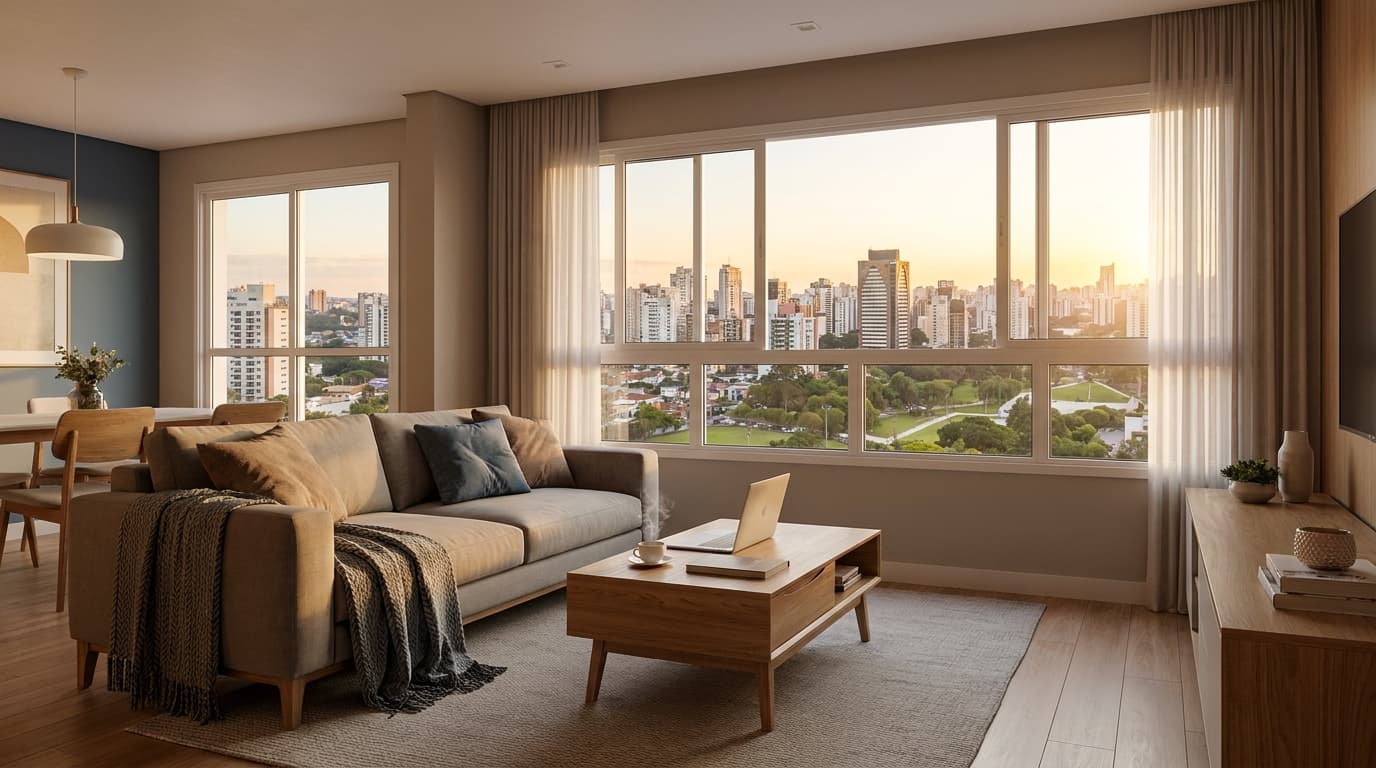
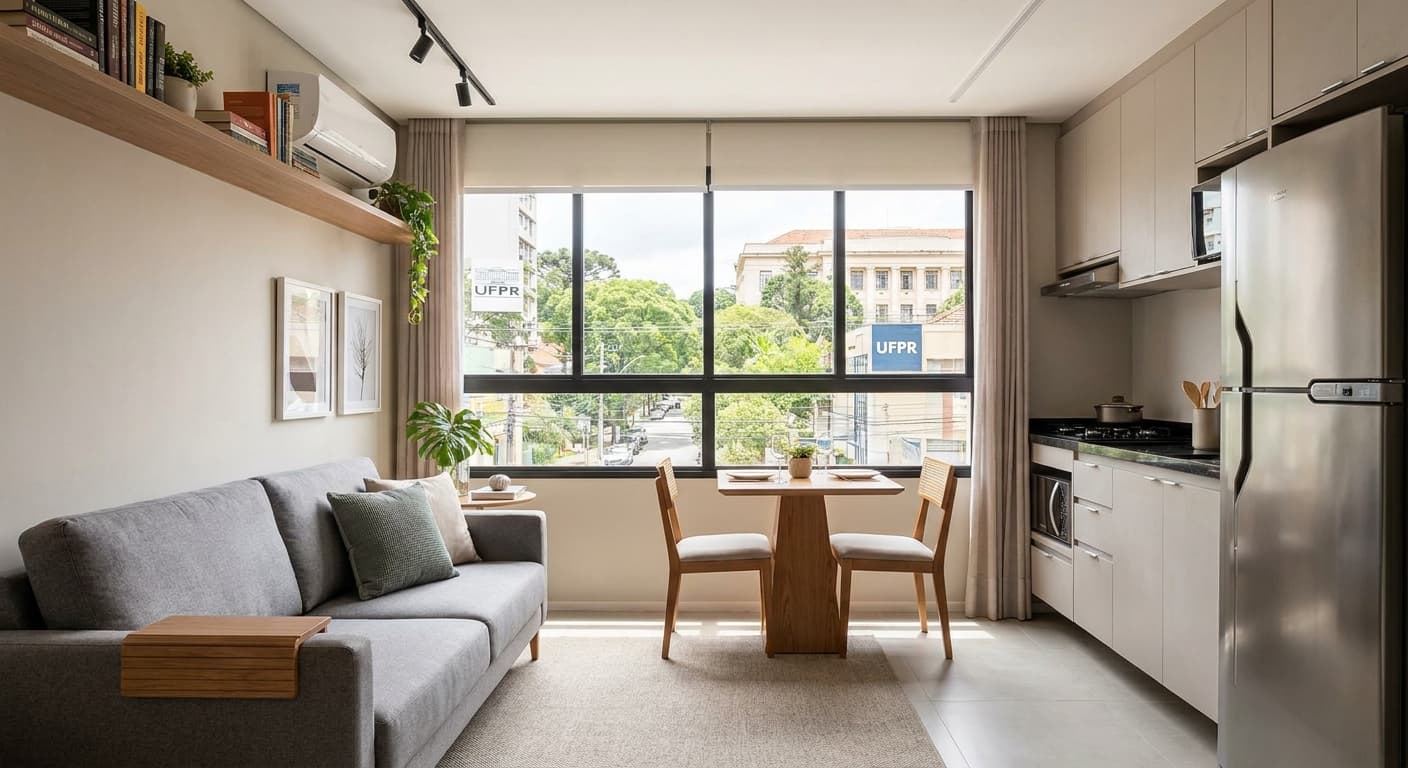
The solution: furnished corporate apartments like those from Shortstay, which accept foreigners without guarantor, without deposit, and with simplified documentation (passport and visa). You immediately receive proof of residence, active internet, and a fixed address — unlocking all the rest of the bureaucracy.
Ideal routine in the first 30 days
Week 1
- Arrival
- Check-in to a furnished apartment
- CPF application (if not done before)
- Prepaid cell phone SIM card
Week 2
- Start RNM process
- Open digital bank account
- Sign up for health insurance
Week 3
- Explore neighborhoods and candidates for permanent housing
- Open traditional bank account
- Begin professional and cultural networking processes
Week 4
- Evaluate if current housing meets project timeline
- Decide whether to renew corporate stay or move to permanent rental
- Complete adaptation
Conclusion
Arriving in Brazil is a process, not an event. The bureaucracy is real but predictable — and perfectly manageable when you have the right sequence and, above all, a secure housing base that unlocks everything else.
Shortstay was designed to be exactly that base: the stable arrival point that allows foreigners to calmly build a life in Brazil without the chaos of the first days.