

Renting for foreigners in Brazil: why is it so difficult and what to do
Why Renting Property in Brazil Is So Difficult for Foreigners — and How Furnished Apartments Eliminate Guarantor, Deposit, and Long-Term Contracts.
05/28/2026 10:43 Updated 82 days ago
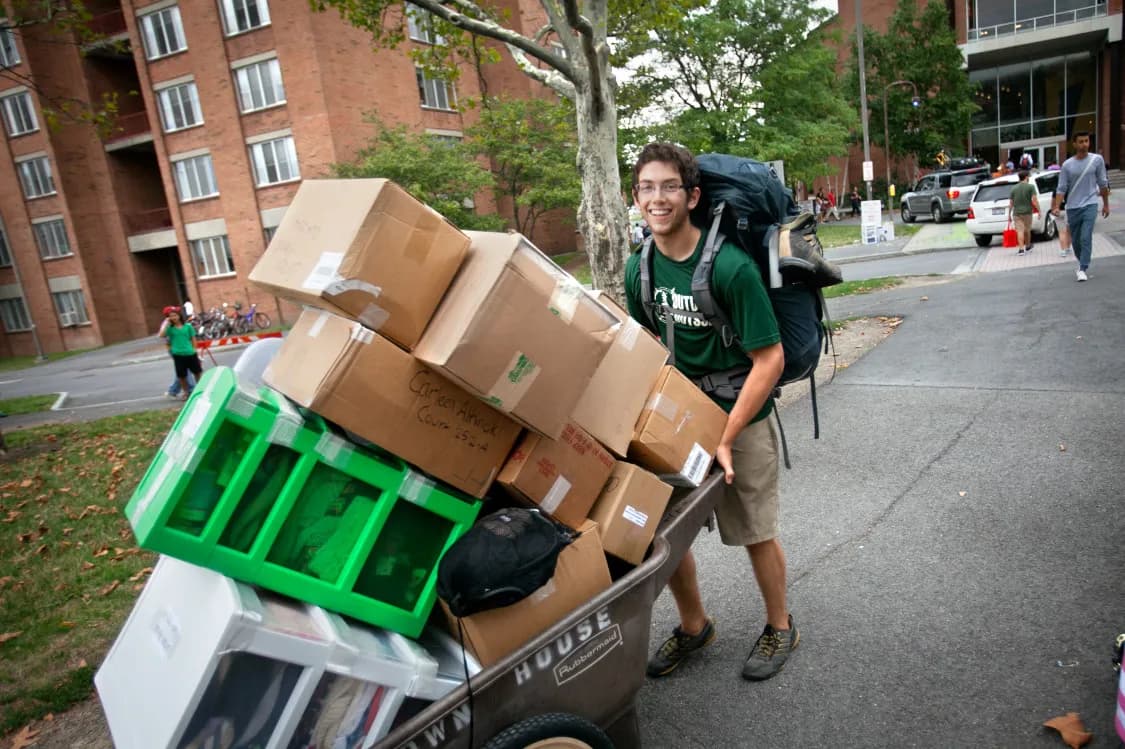
Moving to Brazil is the dream of many professionals, students, and expatriates. But upon arrival, almost everyone faces the same unexpected obstacle: renting an apartment in Brazil as a foreigner is extremely bureaucratic. What seemed like just a logistical step turns into weeks — sometimes months — of frustration.
In this article, we explain why the traditional Brazilian real estate market imposes so many barriers on foreigners and how modern corporate housing solutions are eliminating this problem.
Why renting in Brazil is so difficult for foreigners
The traditional rental model in Brazil was built for Brazilians with a local credit history, an active CPF for years, and a network of contacts available to serve as guarantors. For a newly arrived foreigner, practically none of these criteria exist.
1. Requirement of a local guarantor
Most real estate agencies require a guarantor with fully paid property in the same city. For a foreigner who just arrived, finding someone willing to take on this legal responsibility is practically impossible.
2. Deposit of up to 12 months
When a guarantor is not viable, the alternative is usually a cash deposit equivalent to up to 12 months’ rent in advance. For an expatriate in transition, tying up this amount in newly converted local currency is financially unfeasible.
3. Impossible credit check
Systems like Serasa and SPC do not recognize international credit history. Even if the foreigner has an excellent score in their home country, in Brazil they appear as "no history" — and are treated as maximum risk.
4. 30-month contracts
The Tenancy Law foresees long-term contracts. For someone on a 6, 12, or 18-month assignment, signing a 30-month contract with proportional penalties is contractual imprisonment.
5. Unfurnished properties
The vast majority of Brazilian properties are rented completely unfurnished — no refrigerator, no stove, no bed. For foreigners, this means investing thousands of reais in furniture that will be discarded upon returning to their home country.
The solution: furnished corporate apartments
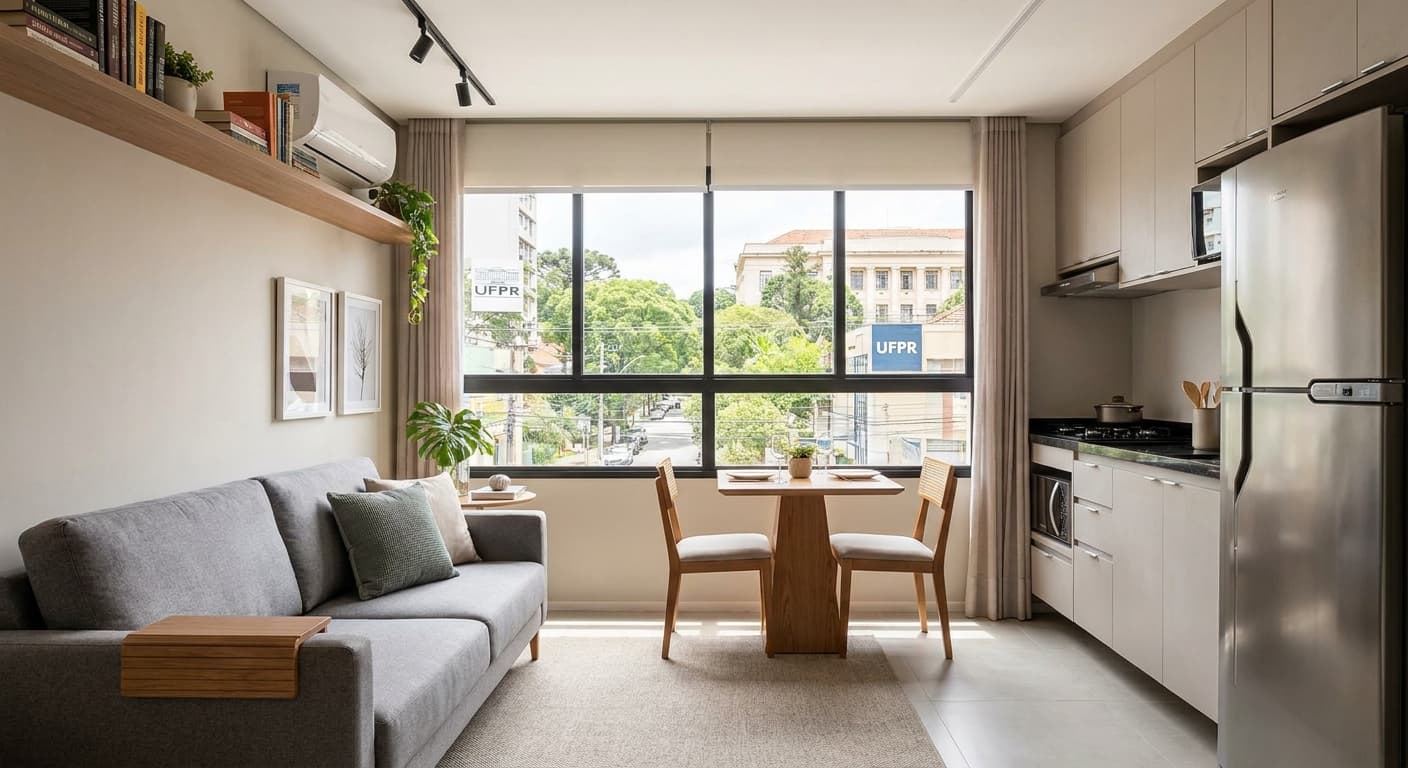
Companies specialized in medium-term corporate housing, such as Shortstay, were created precisely to solve this bottleneck. The model eliminates all traditional barriers:
- No guarantor, no deposit, no long CPF requirement: the contract is corporate and flexible.
- Move-in ready apartments: complete furniture, equipped kitchen, washing machine, internet, and bedding.
- Stays starting at 30 days: no penalties, no renegotiations, with unlimited extensions.
- Simplified documentation: ideal for expatriates, exchange students, and professionals on assignment.
- Strategic locations: close to business centers, international schools, and university hubs.
Who this solution makes sense for
Foreigners in various situations benefit directly from this model:
- Expatriates on corporate transfers
- Exchange students and post-graduate program participants
- Professionals on temporary assignments
- Families in the adaptation process before deciding on permanent housing
- Digital nomads with extended stays in Brazil
Conclusion
The traditional Brazilian real estate model was not designed for a globalized world, with professionals and students moving between countries. Fortunately, new corporate housing solutions are filling this gap with speed, security, and fair costs.
If you are a foreigner arriving in Brazil — or a company needing to host international talent — furnished medium-term apartments are today the only alternative that combines speed, comfort, and contractual flexibility.